Back in 2013, Capcom made a bold move — to completely reinvent the Devil May Cry franchise under the new title DmC: Devil May Cry. But instead of being celebrated, the game sparked massive backlash and became one of the most divisive entries in the series’ history. The question remains: was it truly a bad game, or was the audience simply too harsh? Here is Dmc devil may cry controversy explained.
A Fresh Take on a Legendary Franchise
DmC: Devil May Cry was a reboot of the original series, developed by the British studio Ninja Theory, best known for Heavenly Sword.
According to Capcom, the goal was to modernize the franchise for a new generation — not only in visual design and storytelling but also in its philosophical tone and world structure.
The game launched in January 2013 on PS3, Xbox 360, and PC, followed by a remastered Definitive Edition in 2015 for PS4 and Xbox One, featuring 1080p visuals, 60 FPS, and refined combat balance.
One of the standout innovations was the Limbo world, a distorted parallel dimension that dynamically morphs during gameplay — walls collapse, streets twist, and words materialize on buildings in surreal patterns.
This artistic direction gave the game a distinctive identity, earning praise for creativity even among those divided on its overall direction.
A Modern Story About Control and Rebellion

The story unfolds in a contemporary world secretly controlled by demons through media, politics, and consumer culture — a dark satire of modern society’s manipulation.
The protagonist, Dante, lives a reckless, rebellious life until he meets Kat, a member of an underground resistance led by his twin brother Vergil. Through her, he discovers his true nature as a Nephilim — half demon, half angel — the only being capable of defeating the demon king Mundus.
The narrative balances Dante’s inner struggle to understand his identity with his external battles across the surreal landscapes of Limbo.
However, the emotional core lies in the relationship between Dante and Vergil. Their alliance crumbles after defeating Mundus, setting up a brother-against-brother conflict that ends the game on a cliffhanger — one that never received a sequel.
While previous Devil May Cry entries focused on gothic heroism and stylish demon-slaying, DmC shifted its theme toward freedom, rebellion, and anti-establishment symbolism, giving it a tone that felt alien to long-time fans.
Innovation or Betrayal? The Root of the DMC Devil May Cry Controversy Explained

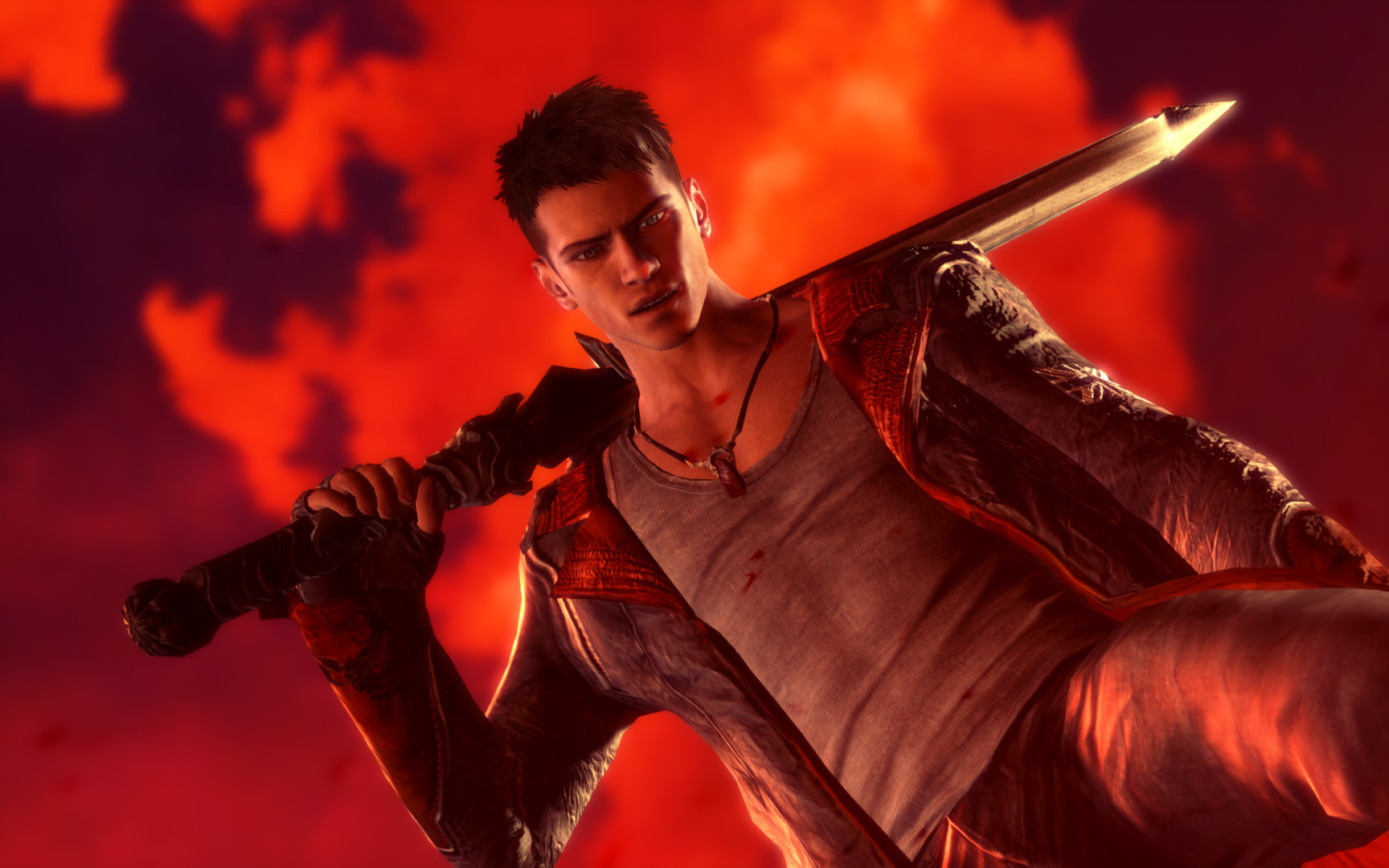
From its very first trailer, DmC faced a storm of criticism. The main reason? Dante’s new design. Gone was the silver-haired, wisecracking demon hunter — replaced by a younger, edgier version with short black hair and a brooding attitude.
Many fans accused Capcom of betraying the series’ legacy, transforming it into something overly Westernized. Some even mockingly dubbed it “Fake May Cry.”
Adding fuel to the fire, one early scene directly mocks Dante’s iconic white hair, a move fans saw as an insult to the character’s heritage. Vergil, too, underwent a drastic personality shift, becoming colder, more ruthless, and even resorting to firearms — behavior far from his disciplined persona in the main series.
The reboot also altered one of Devil May Cry’s philosophical cornerstones: in the original timeline, Dante and Vergil are humans with demonic heritage, symbolizing human willpower overcoming evil. In DmC, both are half-angel, half-demon — a concept that severed the emotional link with the franchise’s original mythology.
Players also criticized the game’s tone and writing. The reboot leaned heavily into edgy teenage dialogue, filled with excessive profanity and awkwardly forced attitude, making it feel more like a B-movie than a Japanese-style action epic.
What the Game Got Right

Despite the backlash, not everything about DmC was negative. Once players actually experienced it, some opinions softened. The combat system was fast, fluid, and visually striking, allowing seamless mixing of angelic and demonic powers to create stylish combos.
Visually, the game stood out with its vibrant, surreal environments and bold use of color. The soundtrack, produced by Noisia and Combichrist, delivered aggressive industrial beats that perfectly matched the intensity of battle.
Critics praised DmC for achieving something few action games manage: combat that’s easy to learn but hard to master, complemented by a responsive camera and inventive level design.
Still, none of these strengths could overcome the fundamental issue — Dante didn’t feel like Dante. For many fans, this wasn’t a creative reinterpretation; it was an unwanted replacement.
In hindsight, DmC: Devil May Cry became one of gaming’s clearest examples of the clash between developer vision and fan expectations.
So, Is It Worth Playing Today?

The answer depends on what you’re looking for.
If you want a visually dynamic action game with stylish combat and cinematic flair, DmC: Devil May Cry still offers one of the most polished systems Ninja Theory ever built.
But if you care deeply about the original story, lore, and the bond between Dante and Vergil, you’ll likely find the reboot’s tone jarring and detached from the soul of the series.
Over a decade later, however, the game has earned a surprising cult appreciation. Many who once dismissed it have revisited it with fresh eyes, recognizing it not as a failure but as a misunderstood artistic experiment — one that was simply ahead of its time.
The success of Devil May Cry 5 in 2019, which restored the classic characters and tone, allowed fans to appreciate DmC as a creative side story rather than a replacement.
Could We Ever See a Sequel?

After selling around 1.2 million copies — far below Capcom’s 2.5 million projection — the company abandoned the reboot timeline and returned to its roots with Devil May Cry 5, bringing back Dante, Nero, and Vergil in their original forms.
Given the fifth game’s success, it’s unlikely we’ll see another DmC entry soon. Still, the reboot’s influence on the action genre can’t be denied. Its fluid camera work, dynamic combat flow, and cinematic storytelling inspired later titles — even Ninja Theory’s own hit, Hellblade: Senua’s Sacrifice, carried DNA from DmC’s design philosophy.
DmC: Devil May Cry may not have been the sequel fans wanted, but it was undeniably a bold creative experiment. It challenged conventions, reimagined familiar characters, and dared to take risks — even if it came at the cost of alienating its core audience.
A decade later, its legacy stands as a reminder that sometimes, innovation and controversy walk hand in hand.
Don’t forget to check: