In the world of video games, it can take years before a title comes along that redefines a genre. But when it happens, it leaves a lasting impact. That’s exactly what Dying Light achieved when it launched in 2015. A decade later, the game remains a landmark in zombie gaming, remembered fondly by fans and hailed as one of the best the genre has seen. In this article, we revisit how Dying Light reached its legendary status, why its sequel stumbled, and what players hope to see in Techland’s upcoming title: Dying Light: The Beast.
A Promising Start: How Dying Light Redefined Zombie Games

Before Dying Light, most zombie games stuck to a linear formula—gunplay and survival against relentless hordes. But Techland, the Polish studio known then for Dead Island, decided to elevate the experience.
What set Dying Light apart was its unique blend of parkour mechanics, first-person combat, and survival horror. Players found themselves in the fictional city of Harran, ravaged by a deadly virus that turned its citizens into feral zombies.
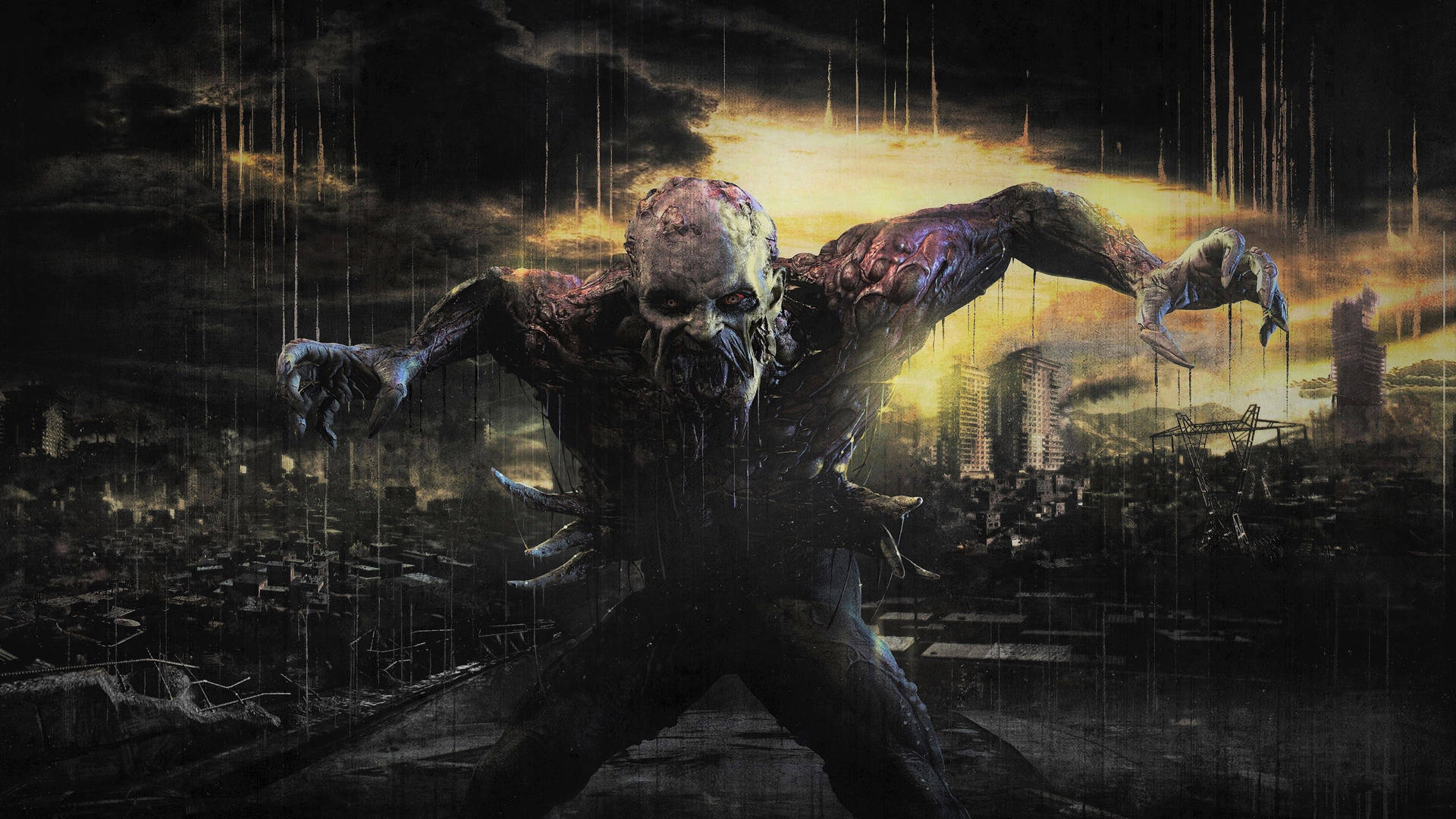
During the day, players could explore the city and face off against threats with relative ease. But when night fell, the game transformed into pure terror. New, hyper-aggressive creatures called Volatiles emerged, and the hunter quickly became the hunted. This day-night cycle wasn’t just cosmetic—it completely changed gameplay. Many players admitted they feared venturing out after dark, opting to stay sheltered until sunrise. It created a persistent psychological tension rarely seen in open-world games.
Beyond the horror element, Dying Light featured deep systems for weapon crafting, skill progression, and freeform movement, all of which gave it a fresh identity in a saturated genre. It was the first zombie game to successfully merge action, horror, and RPG elements within a dynamic open world.
A Commercial and Critical Triumph

Upon release, Dying Light received widespread praise from critics and quickly became one of 2015’s best-selling games, with over 20 million copies sold over the years. But more impressive than the sales was the long-term support from Techland.
In 2016, the studio released Dying Light: The Following, an ambitious expansion that added a new story, improved mechanics, and a massive rural region to explore—complete with drivable buggies for high-speed traversal.
Techland also delivered seasonal events, co-op content, and a surprisingly robust multiplayer experience, keeping the game alive for nearly a decade. Very few titles enjoy such longevity, and it helped cement Dying Light as a beloved community-driven experience in zombie gaming.
Where Dying Light 2 Went Wrong

In 2022, after years of anticipation, Dying Light 2 Stay Human finally launched. With bold promises of a bigger open world, narrative-altering decisions, and deeper progression systems, expectations were sky-high. Sadly, the final product fell well short of those promises.
Players were quick to notice that many of the game’s advertised features were either underdeveloped or missing. Yes, the world was larger—but often felt empty and repetitive. The story lacked cohesion, suffered from pacing issues, and featured one-dimensional characters. The much-touted choice system barely impacted gameplay or narrative outcomes, despite years of marketing suggesting otherwise.
One of the biggest disappointments was the treatment of the day-night cycle. In the original game, nighttime was genuinely terrifying and forced players to make strategic decisions. In Dying Light 2, however, nighttime felt far less threatening—and in some cases, even encouraged exploration with unique quests and loot only available at night. This dulled the sense of danger and stripped away the psychological fear that defined the original.
Even the horror aspect, once central to the franchise, was toned down in favor of more action-driven gameplay. As a result, many fans felt the sequel lost its soul. Personally, I found the launch experience disappointing in every sense—I felt betrayed after four years of waiting.
Despite later updates aimed at fixing the game, the first impression was strong enough that Dying Light 2 is still considered a letdown by a significant portion of the fanbase.
The New Hope: Dying Light: The Beast

Three years after the sequel’s release, Techland is preparing to launch its next game: Dying Light: The Beast, scheduled for August 2025. The studio is marketing it as the true third entry in the series—and many players see it as a shot at redemption.
Early reports suggest the new title will refocus on single-player tension and horror, bringing back the gritty atmosphere that fans loved. The developers have promised smarter enemy AI, a more interactive world, and a refined parkour system with greater fluidity and depth.
Perhaps most importantly, The Beast will continue the story of Kyle Crane, the original game’s protagonist, with over 20 hours of story content and 40–50 hours of total gameplay for completionists.
Initial details indicate that The Beast might be a genuine return to form. Fans are hungry for a game that rekindles the magic of the original but evolves it for a new era of gaming.
The game is set to release on August 22, 2025 for PC, PlayStation 5, and Xbox Series X|S, priced at $60. Players who own the Ultimate Edition of Dying Light 2 will receive The Beast for free, as compensation for the previously canceled second expansion. Stay tuned—we’ll be publishing a full review once the game launches next month!
In Conclusion

Ten years have passed since Dying Light first hit the scene—but it was never just another zombie game. It was a turning point, showing how a game could blend freedom, fear, and fight in a living, breathing world. Every decision mattered, every step could be your last, and the night always carried a threat you could feel in your bones.
The sequel, while ambitious, lost the compass that guided the original to greatness. It leaned into scale over substance, action over atmosphere—and paid the price. But it remains a bold attempt, rich with lessons.
With Dying Light: The Beast on the horizon, Techland now has a chance to earn back player trust and revive the spirit that made the franchise legendary. Players aren’t asking for much—just to feel that jolt again when the sun sets, when the city turns into a nightmare, and when running for your life feels real. The Beast may well be the series’ savior—and a new chapter worth telling in zombie gaming history.
Don’t forget to check: