
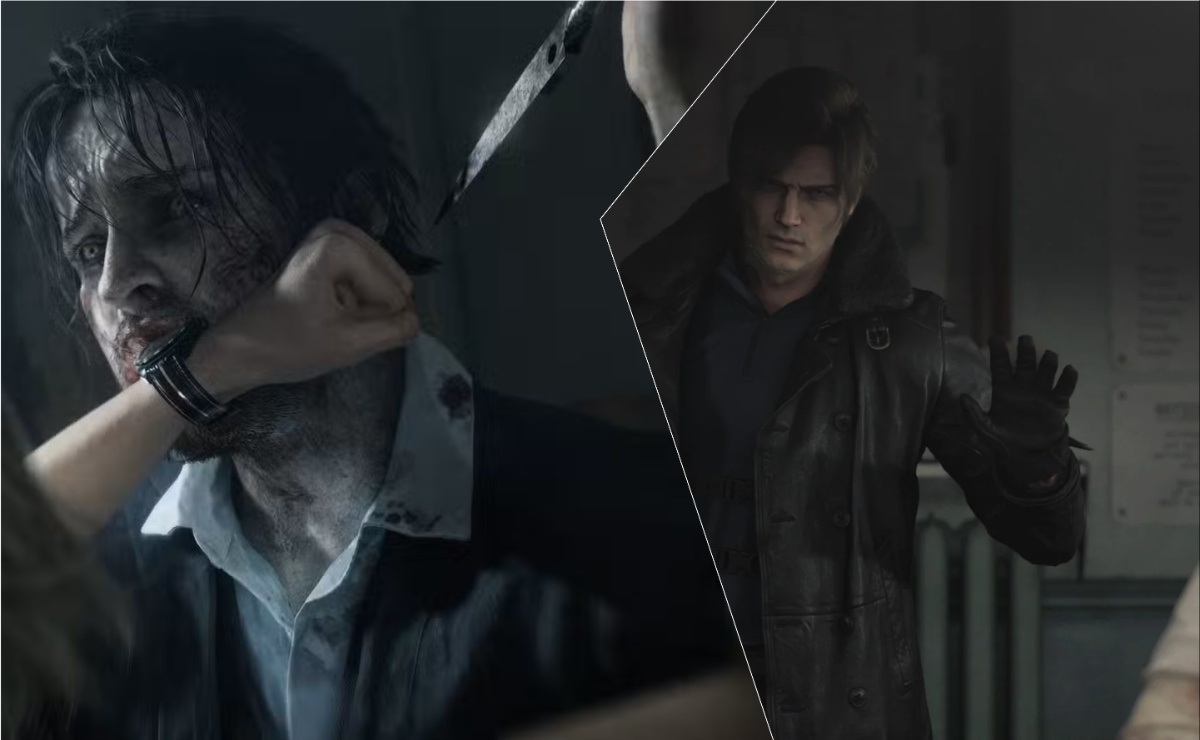
The Resident Evil series continues its long journey with a new entry titled Resident Evil Requiem, the ninth mainline installment in which Capcom aims to redefine the balance between classic psychological horror and modern action. We had the chance to play the game early for a couple of hours, and the experience feels like a genuine attempt to return to the series’ roots without abandoning the refinements introduced in recent titles.
These impressions focus on the game’s story, gameplay systems, level design, and enemies. It is important to note that this is an early hands-on impression, not a final review, as the full experience will only be judged upon its official release on February 27.
A Story That Welcomes Newcomers While Rewarding Longtime Fans

Resident Evil Requiem is designed as an entry point that new players can enjoy without feeling lost, while still offering plenty of nods for longtime fans. The narrative is filled with subtle references to previous installments, whether through environments, characters, or small details that reward players familiar with the franchise’s history.
Although the game does not require prior knowledge of earlier titles, understanding past events adds extra depth to the experience, especially since this ninth installment clearly positions itself as an important connective chapter within the wider Resident Evil universe.
One of the most distinctive aspects of Resident Evil Requiem is that it feels like two different experiences woven into a single world. The two playable characters, Leon and Grace, represent contrasting gameplay philosophies, each reflecting a different side of the franchise’s identity. This duality is not a cosmetic feature, but a core pillar of the game’s design and storytelling approach.
Grace: Classic Survival Horror at Its Purest

Grace’s gameplay is presented from a first-person perspective and strongly evokes the spirit of Resident Evil 7, while in some moments delivering even higher levels of tension. Semi-open environments, scarce resources, and constant pressure to manage ammunition and healing items turn every encounter into a meaningful decision.
Exploration is deliberate and cautious, requiring players to search for keys, unlock new routes, and navigate claustrophobic areas. Manual saving via typewriters returns, reinforcing the classic sense of risk and the feeling that danger is always just around the corner.
Leon: Controlled Action and a Different Kind of Pressure

In stark contrast, Leon’s sections lean closer to the style of Resident Evil 4. The gameplay emphasizes structured action, more linear level design, and auto-save checkpoints. Leon is better equipped for direct confrontations, with access to a parry mechanic, stronger weapons, and more generous ammunition supplies, making his gameplay smoother and less suffocating.
This does not make Leon’s experience shallow. Instead, it is carefully designed to provide a sense of control and empowerment after extended periods of vulnerability and fear while playing as Grace.
A Relentless Tension Curve and Oppressive Psychological Horror
Resident Evil Requiem features a wide range of horror elements tied to both locations and mechanics, with the Rhodes Hill Hospital standing out as the heart of the experience. This area is a textbook example of classic Resident Evil level design: semi-open, filled with locked doors, puzzles, hidden rooms, and interconnected paths that force players to revisit the same locations from different angles.
The design immediately recalls iconic locations such as the Spencer Mansion from the original game and the Baker family house from Resident Evil 7, but presented with a modern cinematic touch.
The game’s director, Kōshi Nakanishi, previously described Resident Evil Requiem as being built around the concept of a tension-and-relief curve, and this philosophy is clearly felt during gameplay. Players are constantly pushed to the brink with low health, limited resources, and enemies lurking in every corner.
Just as exhaustion sets in, the game briefly offers relief through extra ammunition or healing items, only to quickly pull the player back into danger. This pacing feels faster and more intense than what was seen in the seventh and eighth entries.
Enemy design goes beyond raw strength and instead focuses on behavior. Some zombies react to light and can be distracted or temporarily blinded with a flashlight, while others rely on sound, particularly enemies that have lost their sight. The variety is unsettling, ranging from standard undead to highly resilient creatures, including Blister Heads that reanimate after being defeated, echoing the terrifying Crimson Heads from earlier games.
Safe rooms make a welcome return as iconic sanctuaries where enemies cannot enter. These spaces include typewriters for saving and an upgrade system tied to collectible currencies found throughout the game. Stalker-type enemies also appear as semi-boss threats, capable of being confronted or avoided, and they can emerge in different orders depending on player decisions, adding strong replay value.
One of the most impressive aspects of Resident Evil Requiem is the interconnection between its two protagonists. Actions taken while playing as Grace have direct consequences when controlling Leon: enemies left behind, items not collected, and even the state of the environment itself carry over. The director likened this to playing two games at once, supported by non-linear level design and flexible objective order, giving each playthrough a unique identity.
A Promising Experience That Signals a Standout Entry

Based on this early hands-on experience, Resident Evil Requiem demonstrates a clear understanding of the franchise’s identity and what its audience expects. Rather than forcing a single playstyle, the game delivers two complementary visions of horror within one cohesive experience.
Grace’s gameplay embodies the core of classic survival horror, built on sustained tension, limited resources, and fear of the unknown, where survival itself feels like an achievement. The oppressive design of locations such as Rhodes Hill Hospital keeps players in a constant state of anticipation and psychological strain rarely matched by modern horror games.
Leon’s presence, on the other hand, is not a simple action-focused detour, but a carefully timed shift in pacing that provides a sense of empowerment after prolonged vulnerability. The clear differences in resource management, combat style, movement, and weapon handling reflect a smart design philosophy that ensures each character feels distinct while remaining narratively connected.
Enemy variety and behavior further reinforce the sense of constant danger, relying not only on jump scares but on intelligent interaction with light, sound, and environmental cues. With stalking monsters, classic safe rooms, and a tension curve that offers little prolonged relief, Resident Evil Requiem feels meticulously crafted to push players to their psychological limits before allowing them brief moments to breathe.
If the final release maintains this level of quality, Resident Evil Requiem is shaping up to be one of the franchise’s most mature, daring, and faithful entries, delivering a modern vision of horror that still respects the series’ legendary roots.
Don’t forget to check: