Since the release of their artistic masterpiece “INSIDE” in 2016, the Danish development team Playdead has largely faded from view. How can a small studio, skyrocketing to fame with just two games, vanish for nearly a decade without releasing anything new? Playdead’s success wasn’t fleeting; LIMBO and INSIDE thrived not only due to their unique artistic styles but also their capacity to stimulate thought and create tense psychological atmospheres. As the years passed without clear announcements, questions arose within the gaming community: Will the team make a comeback soon, or has their disappearance become permanent? In this article, we’ll explore the mysteries surrounding Playdead’s prolonged absence and seek clues about the fate of this talented studio.
Playdead’s Success with Limbo and Inside

Playdead’s journey began in 2010 with LIMBO, a dark and silent platformer defined by its stark black-and-white visuals, designed to evoke feelings of loss and mystery. LIMBO wasn’t a traditional game but rather an artistic experience. Praised for its unique visual style, intense atmosphere, and clever puzzles, LIMBO achieved immediate critical and commercial success, earning numerous awards and establishing Playdead as one of the world’s leading independent developers.
Not settling on this achievement, Playdead took six years to deliver their next project, INSIDE. Despite the long wait, INSIDE exceeded expectations, refining everything LIMBO had done. INSIDE maintained the dark, enigmatic aesthetic but added greater depth in gameplay, exceptional sound design, and visually striking yet minimalist details.
More importantly, INSIDE offered a more complex silent narrative, sparking extensive discussions among players and critics. It was acclaimed as an “interactive masterpiece,” winning multiple awards, including nominations for Game of the Year at The Game Awards 2016.
With just these two games, Playdead solidified its position as a major force in independent gaming, setting new standards for storytelling without words. Their impact wasn’t limited to commercial success; they influenced numerous developers, redefining artistic experiences in gaming, inspiring titles like Little Nightmares.
The Long Absence: What Happened Post-2016?

After INSIDE’s phenomenal success in 2016, Playdead gradually faded into silence, releasing no new games and maintaining a minimal online presence. This disappearance sparked considerable speculation, especially since the team was expected to capitalize on their momentum. Behind this silence lay significant internal changes.
In 2017, Dino Patti, a co-founder of Playdead, left due to internal disagreements. His departure indicated deeper tensions possibly impacting the studio’s progress. Patti subsequently founded Jumpship studio, which released Somerville in 2022, a narrative-driven side-scrolling adventure echoing Playdead’s spirit but emphasizing emotional and familial themes over philosophical ambiguity.
Meanwhile, Playdead remained quiet, prompting questions about the internal dynamics and whether their prolonged absence reflected deeper issues. Fans continued to eagerly await any official announcements.
Playdead’s Third Project: What We Know So Far

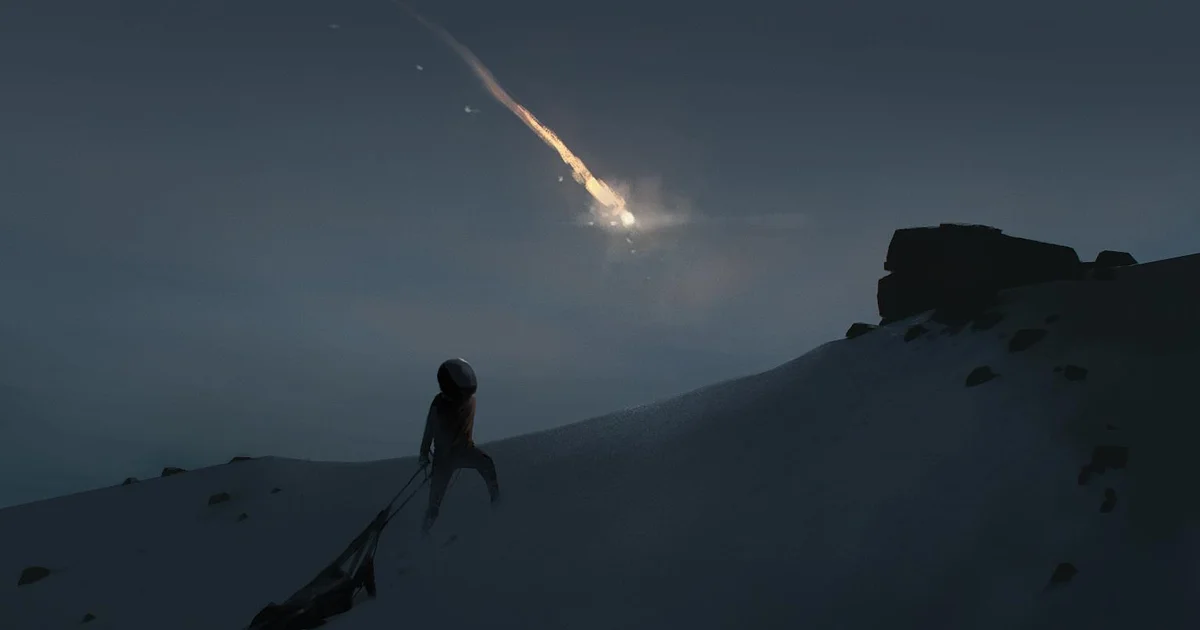
Following years of near-total silence since INSIDE’s 2016 release, Playdead’s third project was announced subtly in January 2017, revealing little beyond annual concept art. By February 2024, sources like 80.lv and GamesRadar provided additional details.
The project, codenamed “Rover” and published by Epic Games since 2020, is set to be Playdead’s most ambitious yet. Developed using Unreal Engine 5, it will be a third-person open-world sci-fi game set in a distant corner of the universe.
No trailers or official release dates have surfaced yet, but industry speculation, including from GDC 2024, suggests a possible 2026 release, considering Playdead’s typically long development cycles.
Fans hope for a reveal at upcoming events in 2025, such as Gamescom or The Game Awards.
Impact of Playdead’s Absence on Their Fanbase

Despite nearly ten years since INSIDE, Playdead retains a devoted fanbase eagerly awaiting news of their next project. The prolonged absence has intensified anticipation and speculation among fans on platforms like Reddit. Ongoing discussions, theories, and analyses about Playdead’s future game demonstrate the enduring impact of their titles, seen as deeply emotional artistic experiences.
However, some fans’ patience is wearing thin. There’s concern that prolonged silence without transparent updates might diminish the studio’s allure in an industry evolving rapidly. Nonetheless, most fans agree Playdead’s meticulous approach typically yields masterpieces worth the wait.
Games Following Playdead’s Footsteps

Playdead’s influence on independent gaming is undeniable, inspiring numerous developers to emulate their style. Titles like Little Nightmares borrowed Playdead’s psychological horror and mystery, while Somerville (developed by a former Playdead founder) recreated their existential dread. Planet of Lana, White Shadows, and Stela drew from their silent cinematic presentation and minimalist storytelling approach. Playdead’s impact fostered an artistic movement in gaming, prompting even major studios to adopt similar narrative and aesthetic philosophies.
Although these games saw varying degrees of success, their shared inspiration from Playdead proves the studio didn’t merely produce successful titles—they initiated a significant artistic trend within independent gaming.
Is the Long-Awaited Return Approaching?

After years of silence and internal shifts, Playdead’s name still resonates strongly among fans. With limited leaks about their next project, a return seems cautiously imminent. But the lingering question remains: Will Playdead meet fan expectations? Can they reignite the awe sparked by LIMBO and INSIDE?
In a fast-paced industry, Playdead’s slow, meticulous approach remains risky yet distinguishes them profoundly. Past lessons teach us that Playdead’s silence often heralds something extraordinary.
Approaching a decade since their last appearance, hopes remain high that 2026 will mark the return of a studio that redefined artistry in video gaming, delivering unforgettable experiences through shadow and silence.
Don’t forget to check: