
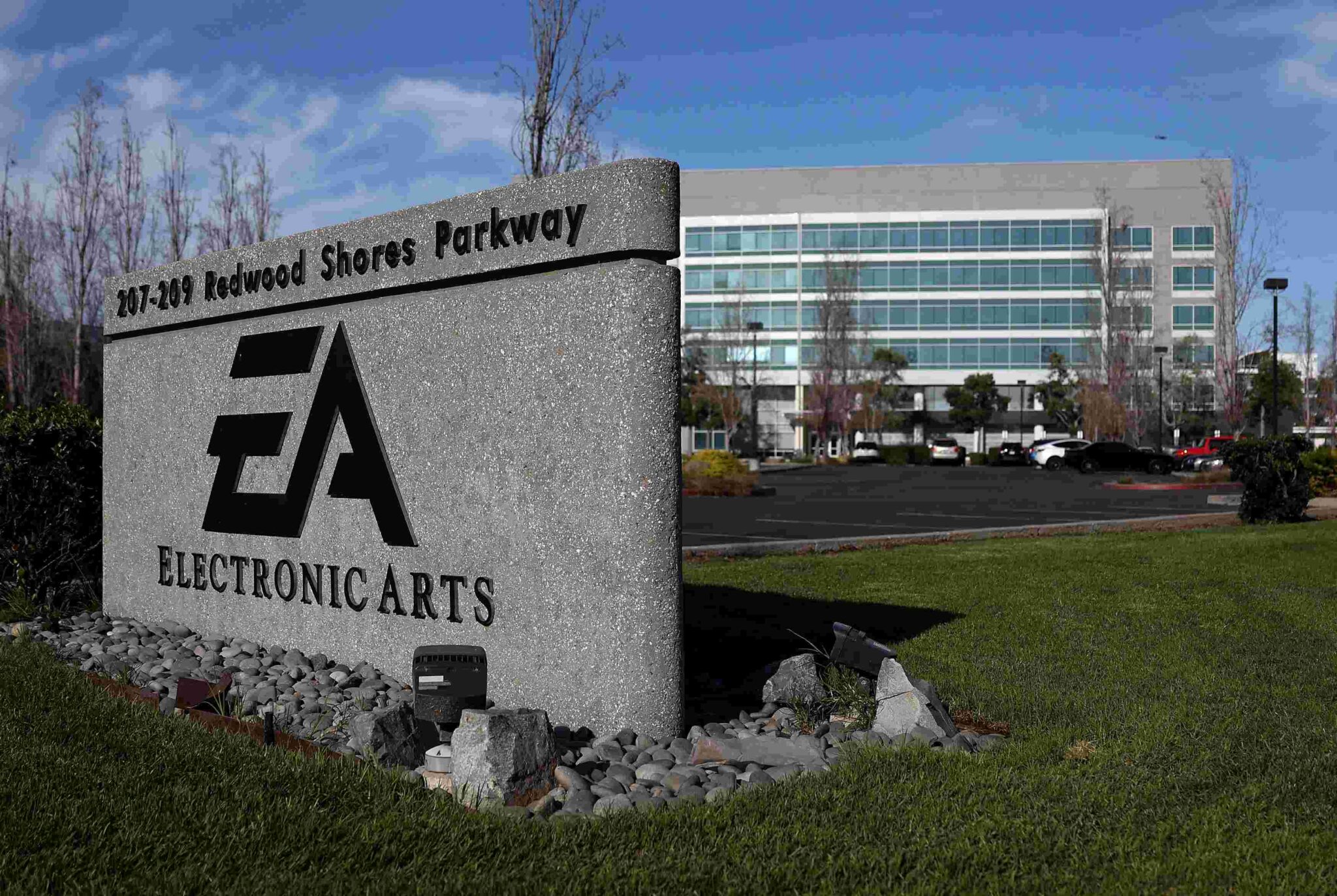
Electronic Arts (EA), one of the world’s largest video game publishers, announced today that it has agreed to an acquisition offer led by Saudi Arabia’s Public Investment Fund (PIF), alongside Silver Lake and Affinity Partners. The deal is valued at approximately $55 billion, marking a new era following the sale of EA to the Saudi sovereign wealth fund and its partners.
Details of EA’s Sale to the Saudi Investment Fund
Under the agreement, EA shareholders will receive $210 in cash per share, representing a premium of nearly 25% over the closing price on September 25. The transaction is expected to close in the first quarter of fiscal year 2027, pending regulatory approvals and shareholder consent. Once finalized, Electronic Arts will become a privately held company, no longer listed on public stock exchanges.
Electronic Arts clarified that the acquisition financing will come from a mix of cash contributions provided by the Public Investment Fund, Silver Lake, and Affinity Partners.
In addition, the fund’s existing stake in Electronic Arts—estimated at around $36 billion—will be rolled into the deal. A further $20 billion in fully secured debt financing is being arranged by JPMorgan Chase, of which $18 billion will be injected once the deal officially closes.
The investment alliance led by PIF intends to finance the equity portion from its managed capital.
EA to Remain in California, Leadership Unchanged
The official statement confirmed that Electronic Arts’s headquarters will remain in Redwood City, California, and that Andrew Wilson will continue as CEO. This stability comes as the company prepares for the highly anticipated launch of Battlefield 6, in a market that is becoming increasingly competitive for blockbuster titles.
This acquisition adds another chapter to the Saudi Investment Fund’s growing presence in global entertainment, as it continues to pursue leveraged buyouts. By utilizing debt tied to the acquired company with limited capital outlay from the buyer, the strategy aims to maximize returns while reducing immediate liquidity requirements.
Don’t forget to check: