
The Anno series has always attracted a loyal audience — players who appreciate its deep city-building mechanics, cultural diversity, and artistic direction. Now, Ubisoft is preparing to take the franchise to an entirely new era with Anno 117 Pax Romana, the latest entry promising to be the most ambitious chapter yet.
After taking an early look at the game, we can confidently say there’s a lot worth getting excited about. Here’s everything we learned about this new and fascinating take on the world of Anno.
A Quick Overview of Anno 117: Pax Romana
After exploring industrial and futuristic settings in previous titles, Anno 117: Pax Romana takes a bold step backward — to the heart of the Roman Empire, where the very concepts of urban planning, order, and civilization were born.
This isn’t just another city-building game; it’s a historical simulation that revives the grandeur of ancient Rome, placing players in charge of governance, infrastructure, and prosperity during the height of imperial power.
Developed by Ubisoft, this is the eighth official entry in the Anno series, and it aims to redefine the city-building genre through historical authenticity and strategic depth.
What Makes This Entry Special?

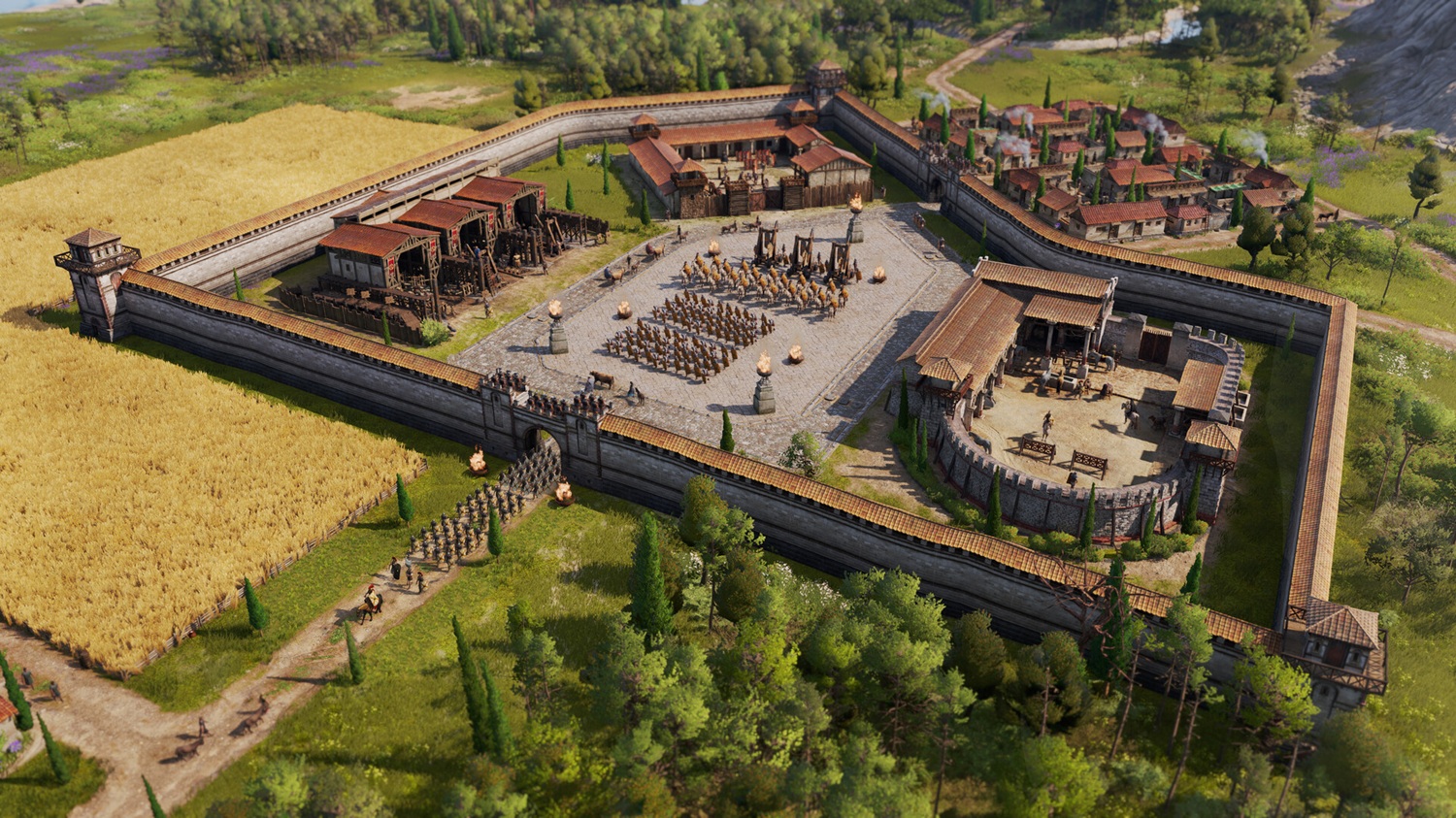
From the very first moment, Anno 117 Pax Romana impresses with its stunning visuals. Every building — from humble Roman houses to majestic palaces — is crafted with meticulous detail. You’ll see blooming gardens, clay pots, decorative mosaics, and marble statues capturing the essence of daily life in ancient Rome.
The shimmering seas, rocky hills, and lush vegetation all combine to create a world that feels like a living painting. One particularly striking detail is the imperial ship, modeled after Caligula’s legendary vessels — a touch of luxury that perfectly embodies the game’s elegance and historical grandeur.
But beauty alone isn’t what defines this experience. The building mechanics strike a fine balance between realism and accessibility. You can zoom in to observe citizens, merchants, and soldiers going about their day, or zoom out for a full overview of your thriving metropolis — all while maintaining a sense of life and motion throughout the city.
Some Early Concerns
While the game’s visuals and atmosphere are impressive, there are areas that may need refinement. The interface might look a bit too modern and lacks the Roman aesthetic that defines the rest of the experience.
Similarly, the early tutorial can feel unclear — new players might struggle with vague objectives like building a lumber mill or sawmill without sufficient guidance. For Anno veterans, this won’t be a major issue, but newcomers could find the start a bit intimidating.
On the positive side, Anno 117 gives players full control over urban planning — from relocating buildings to managing production chains and optimizing resources. Every structure has influence over nearby zones: lavender fields can boost happiness, sandal workshops can improve trade, and temples can enhance citizens’ morale. These mechanics add an enjoyable layer of strategic city design that rewards thoughtful planning.
At its core, Anno 117 Pax Romana blends breathtaking artistry with deep management systems, turning every street and marketplace into part of a living, breathing civilization.
Roman Realism: Between Order and Chaos

One of the most fascinating aspects of the game is how it captures the duality of Roman life — the delicate balance between glory and disorder.
As you strive to build a perfect city, you’ll face unexpected challenges: sudden outbreaks of disease, accidental fires, or riots that echo the legendary “Great Fire of Rome.” These unpredictable events add humanity and tension to your empire — reminding you that you’re not just managing resources, but governing a living society.
The story campaign also weaves these management challenges into a historical narrative filled with choices and branching paths. You can progress the main story at your own pace, or focus entirely on building your city without time pressure.
Beyond Rome itself, the game expands to include new regions like Celtic Albion, where you’ll face meaningful cultural decisions: Will you enforce Roman laws and culture, absorbing local tribes into your empire? Or will you allow their traditions to survive, fostering a fusion of civilizations?
Every choice affects your city’s resources, loyalty, and cultural identity, ensuring that no two playthroughs feel the same.
While the Roman grid-based architecture offers authenticity and precision, some players may wish for more organic layouts — especially in the barbarian regions, where freedom and chaos should visually contrast the empire’s structured perfection.
Ultimately, Anno 117 Pax Romana isn’t just about constructing buildings — it’s about managing a living empire that oscillates between discipline and human unpredictability, where a single decision can alter the destiny of your civilization.
Why You Should Keep an Eye on Anno 117: Pax Romana

Because it beautifully merges historical realism with strategic depth. You’ll learn as you play, reflect as you build, and feel the weight of every choice — from the gods your citizens worship to the roads you pave across the empire.
Anno 117: Pax Romana isn’t just a city builder — it look like a promising philosophical experience about leadership, culture, and legacy. It redefines the concept of Pax Romana — not as mere peace, but as the constant struggle between ambition and order, chaos and creation.
By the end of the preview, one thing is clear: Anno 117 Pax Romana isn’t simply another sequel. It’s a true evolution of the series — a blend of art, strategy, and storytelling that captures both the beauty and burden of empire. Whether you’re a fan of classic management sims or a lover of ancient civilizations, this game deserves a spot on your watchlist.
Anno 117: Pax Romana launches on November 13, 2025, for PC and current-gen consoles.
Don’t forget to check: