
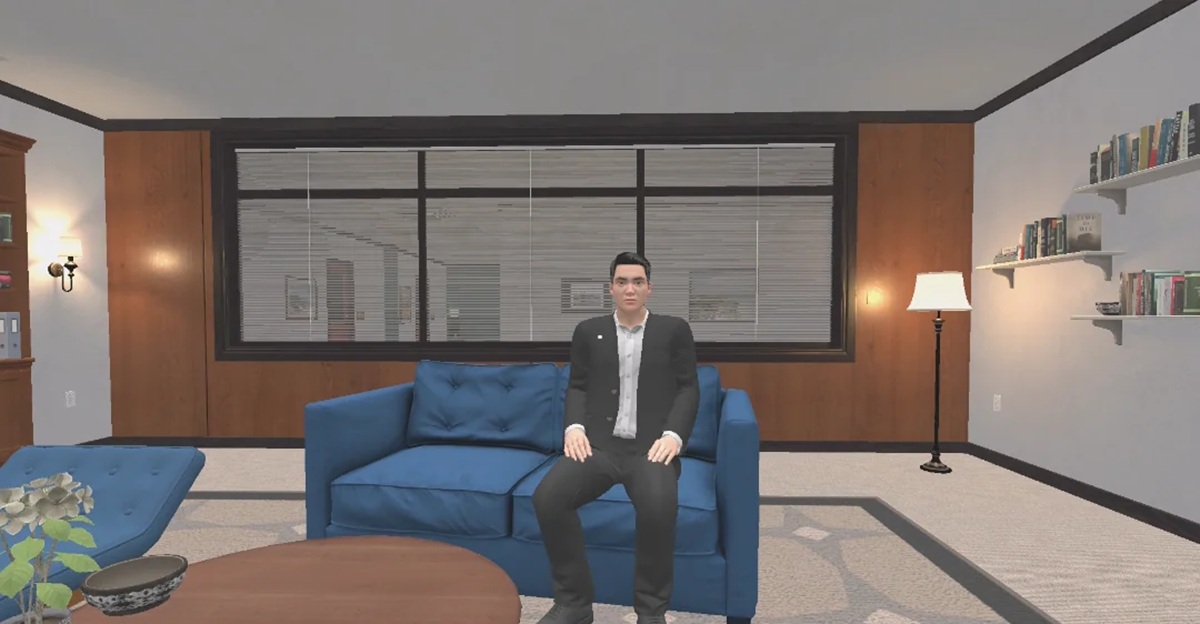
When browsing through simulation games, you’ll find countless titles that let you drive, cook, or build cities — but Therapy Simulator stands apart from them all. After receiving an early demo from the developer, we were genuinely surprised by how unusual and oddly compelling this project is.
Our hands-on time with the demo proved that this is a promising indie game with great potential — so let’s break down exactly what makes it special.
What Is Therapy Simulator?
Therapy Simulator puts you in the shoes of a professional therpaist and simulates the daily routine of running a mental health clinic. You’ll handle everything from unlocking your office door in the morning to conducting therapy sessions with patients throughout the day.
The game is being developed by the indie studio Jemboy and is still in development, with no official release date yet. A playable demo is available right now on Steam for anyone curious to try it.
What Makes It Stand Out?

Although our demo session lasted around 40 minutes, it was enough to leave a strong impression. Despite its short duration, Therapy Simulator manages to showcase plenty of positive elements that outweigh its current flaws.
Attention to Detail
The game’s world feels alive in subtle ways — not flashy, but immersive enough to make your surroundings believable. From your office window, you can see cars passing by and even a train rolling through the city. Inside, your workspace feels natural, filled with everyday items and decorations that ground you in your role.
Realistic Psychological Roleplay
The depth of simulation is key to any game in this genre. How far can you really act like a psychiatrist? Surprisingly far, based on what’s currently in place.
You’ll use your in-game computer to schedule appointments, greet patients, and begin therapy sessions where you’ll choose between three dialogue options — often including a sarcastic or humorous one.
What’s impressive is the writing quality. The dialogue feels authentic, reflecting real therapeutic conversations with carefully chosen terminology that makes you feel like a professional. This attention to realism is essential for immersion, and the demo succeeds in creating that connection.
That said, most therapy sessions are brief — typically lasting under three minutes — though this makes sense given the game’s early state. As development continues, we expect deeper, more emotionally layered interactions.
Your dialogue choices are designed to influence each session’s outcome, helping shape patient reactions and relationships. While this system needs refinement, it already adds a sense of personal involvement in each session.
Overall, Therapy Simulator combines smart ideas and light humor to create a genuinely fresh take on the simulation genre — even for players who don’t usually enjoy these types of games.
Gameplay Progression and Management
Progress in Therapy Simulator revolves around earning money and experience points. You can use your income to expand your office, unlocking new therapy rooms, waiting areas, and decorations, while your XP reflects your growing professional reputation.
As your clinic grows, you’ll encounter unexpected situations — like finding a stranger in the bathroom who flees if you handle the interaction poorly. These humorous moments keep the game from feeling too serious and give it personality.
Later in the game, you’ll be able to hire assistants to automate daily tasks or handle sessions on your behalf. The demo also hints at customizing furniture and interior design, though these systems are still under development.
This focus on growth, management, and light chaos gives the game depth and replayability, which are crucial for the long-term success of any simulation title.
Clever Ideas That Make It Shine

One of the most creative aspects of Therapy Simulator is how it visually represents patients’ mental struggles. For example, one memorable scene involves a completely invisible patient who explains, “My problem is that no one can see me no matter what I do.”
This literal interpretation of psychological issues is both funny and insightful — a clever way to express mental themes through game design rather than exposition.
Another unique touch is the appearance of a character representing the developer himself, who claims to be the creator of this world and offers to help you improve it. It’s a bold, meta concept that could become divisive — some may find it breaks immersion, while others (like us) might see it as a charming and personal flourish that reflects the creativity of indie developers.
Areas That Need Improvement

Of course, this is still an early demo, and it shows.
Visuals and Character Expressions
While the art style is clean and pleasant, patients’ faces lack emotion. No matter what you say — supportive or sarcastic — their expressions remain static. Adding facial reactions would greatly enhance immersion and emotional impact.
Dialogue Choices and Consequences
Currently, all dialogue paths seem to lead to the same result: a happy, grateful patient who promises to return next week. The developer clearly intends to expand this system, but for now, it lacks meaningful consequences.
Each choice should have distinct outcomes that affect both your patient relationships and overall story progression.
Challenge and Realism
Right now, Therapy Simulator is quite easy. Patients don’t react negatively to mistakes, and you can take as long as you want to reply. In future updates, it would be great to see time-based pressure and emotional consequences for poor responses, especially when dealing with sensitive topics.
Technical and Interface Tweaks
There are also minor usability issues:
-
The exit key is permanently mapped to Esc and can’t be remapped.
-
Pausing the game doesn’t actually pause time — it just brings up a menu.
-
The background music, though calming, loops continuously with no variation and could use additional tracks for variety.
These are small details, but refining them would polish the overall experience.
Final Thoughts
Therapy Simulator has all the ingredients of a standout indie hit — an original idea, clever humor, and clear potential for emotional depth. It just needs more time and polish to reach its full potential.
Despite its flaws, this demo already delivers something fresh and memorable. If the developer continues to expand the gameplay systems and dialogue variety, Therapy Simulator could easily become one of the most interesting indie simulation games in years.
We look forward to returning for a full review once the complete version launches.
Don’t forget to check: