
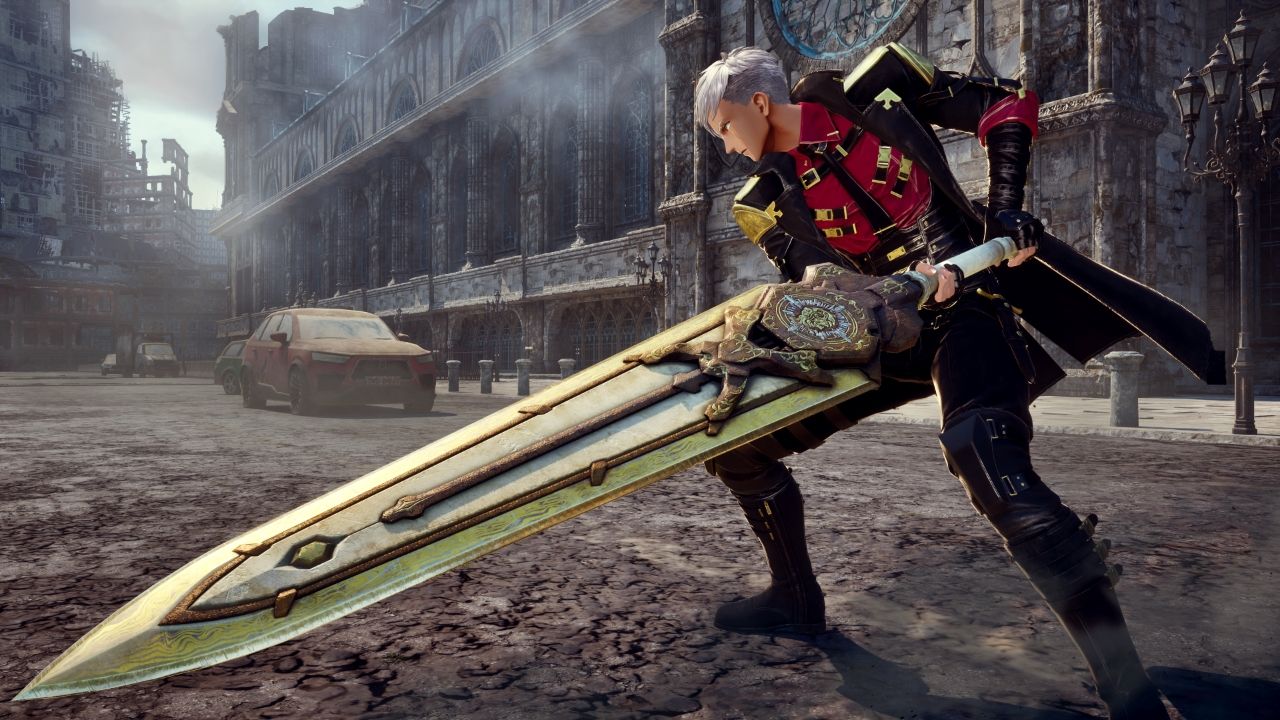
Code Vein II can feel overwhelming at first because it throws a lot of mechanics at you early on—weapon movesets, offensive and defensive Formae, swapping Blood Codes and Traits, managing Ichor, plus the partner system. This Code Vein II Beginner’s Guide focuses on the most practical points that will save you hours of trial and error.
What you should know About Code Vein II
Code Vein II blends tough Soulslike combat with a broader world that rewards exploration, alongside a partner system that can reduce pressure in fights or grant powerful buffs through assimilation. The game also doesn’t lock you into a single defensive approach—dodging and blocking complement each other, which changes how you think about combat from your very first encounter.
This isn’t just another Soulslike clone. It tries to carve its own identity in multiple ways, and there’s a lot to learn if you want a smoother start instead of getting stuck on avoidable hurdles.
If you want the full breakdown of the game and our complete thoughts, you can check our full review.
Key Code Vein II Terms Every Beginner Should Know
Before diving into combat systems and builds, it helps to understand the game’s core terminology. Knowing these terms makes early progression clearer and prevents a lot of confusion during your first hours.
- Blood Code: The foundation of your character build. A Blood Code defines core stats like Strength, Dexterity, and Willpower, affects elemental/status resistances, sets your maximum Ichor, and can be swapped almost anytime to shift playstyle without rebuilding from scratch.
- Traits: Passive modifiers tied to your Blood Code. Traits can provide offensive or defensive boosts, or alter how you play. Some work automatically, while others require conditions—like using specific attacks or chaining hits—to activate.
- Ichor: Your primary resource for using Formae and special abilities. It’s consumed when you trigger skills and can be restored through Drain attacks or by capitalizing on enemy stagger. Smart Ichor management is essential in tougher fights.Formae
Your combat skills and special abilities, split into offensive, defensive, and support categories. Formae consume Ichor and are not optional if you want to play efficiently—relying only on basic attacks limits you. - Combat Formae: Weapon-linked Formae that grant unique attacks or combat moves. These are tied to specific weapons and aren’t freely transferable, so they matter when choosing a weapon that fits your playstyle.
- Bequeathed Formae: A special category of weapons/abilities with unique attacks that slot into a dedicated slot and consume Ichor, such as Statesman’s Longbow. These often provide tactical options like strong ranged pressure.
- Drain Attack: A special action you can trigger when an enemy is staggered, restoring a large amount of Ichor. This is one of the most important tools for Ichor recovery, especially in boss fights.
- Stagger: A temporary enemy “stun” state caused by filling a hidden stagger meter through repeated hits. When it triggers, the enemy pauses, giving you a window to attack safely or land a Drain Attack.
- Stamina: Consumed by attacking, dodging, and blocking. Running out can get you punished hard, so you need to balance offense and defense without draining it to zero.
- Parry: A timed counter that deflects an enemy attack and opens them up. It demands precision and isn’t available on all defensive gear, so it’s usually better to treat it as an advanced tool.
- Partner: An AI companion you can summon to fight with you or assimilate with for buffs. Partners reduce difficulty significantly and are especially helpful for beginners.
- Assimilation: A mechanic that absorbs your partner to gain temporary buffs or recover some health. This can be a smart survival option during long boss fights.
- Boosters: Equippable enhancement items that provide ongoing effects while equipped. You can equip up to four at once, often obtained through merchants or by mastering Blood Codes.
- Map Jammers: Tree-like objects in some areas that block map visibility. Destroying them clears fog and reveals routes, and many can be removed safely from range.
- Mistle: Your rest/checkpoint system. Use it to recover resources, manage gear, fast travel, and interact with certain NPCs like Lou.
Code Vein II Beginner’s Guide: Practical Tips That Actually Help
Below are the most useful tips for getting a strong start and avoiding common early mistakes.
Learn Weapon Movesets Before You Chase Stats

Don’t judge weapons only by damage numbers and upgrades. Two weapons in the same category can still have very different movesets. Always test light attacks, combo chains, heavy attacks, and charged heavies. Watch the range, speed, and recovery time.
A weapon that looks weaker on paper can be better for you if it’s faster, safer, or matches your timing.
Combat Formae on Weapons: A Common Early Misunderstanding

Many players assume they can freely move Combat Formae from one weapon to another. In reality, weapon-linked Formae cannot be directly transferred.
If you like a Formae on a weapon but dislike its moveset or stats, you’ll need to find another weapon that has the same Formae, or obtain that Formae as a separate item so you can slot it into the weapon you want.
You can remove Formae from a weapon, but you can’t take what you removed and install it onto another weapon. Understanding this early prevents wasted time.
Building Your Character: Blood Codes and Traits

Blood Codes change your main stats and resistances, and they define your max Ichor. Traits add conditional effects, so swapping Blood Code alone isn’t enough—you also need to confirm your Traits are actually active, because some require specific conditions to work.
Use the Trait List to Understand Your Active Effects

With many buffs and debuffs showing under your health bar, it’s easy to lose track. Use Trait List in the Blood Code or stats page to see all active effects and their sources.
It also shows Traits that aren’t working because their conditions aren’t met. Check this list after changing Blood Code or gear to make sure your setup is doing what you think it is.
Combat Basics: Don’t Rush, Balance Blocking and Dodging

Code Vein II doesn’t let you cancel animations, so careless attacking can trap you in a vulnerable state right as the enemy starts a punish.
Also, don’t treat blocking as a backup option. Dodges can sometimes come out late, while a block can save you in tight moments. Blocking costs Stamina, but it’s often better than losing health. Over time you’ll learn when each option is best.
Try Bleeding Shield Early: A Beginner-Friendly Defensive Upgrade

You can find the light Bleeding Shield early in the MagMell Island ruins. It blocks 100% physical damage with no chip damage, unlike your starting shield, making it easier to learn and reducing healing item usage.
You can’t Parry with it, but that’s fine early on since reading attacks is harder in the opening hours. Later, you can hunt for gear that keeps the 100% physical reduction while offering better perks.
Always Keep a Ranged Option

Even if you prefer melee, you’ll encounter enemies on distant platforms and bosses with phases where getting close is risky. A Bayonet with suitable ammo can help, and one of the strongest early options is Statesman’s Longbow.
Get Statesman’s Longbow Early

You can obtain Statesman’s Longbow early in MagMell Island. It’s a Bequeathed Formae weapon that consumes Ichor and can be upgraded like other weapons.
It’s extremely valuable early on: strong ranged damage, chargeable shots, good penetration, and it helps handle crowded situations safely. It’s also great for destroying Map Jammers from a distance to clear your map faster.
Its cost is only 1 Ichor, making it easy to integrate even if you’re not running a ranged-focused setup. Don’t forget to upgrade it using Heart Remnants.
Bayonet Ammo: A New System You Need to Manage

Bayonet weapons aren’t new to the series, but Code Vein II changes how ranged attacks work: they no longer consume Ichor and instead require ammo. This frees up Ichor for other abilities, but you now need smart ammo management.
The game automatically sends extra ammo to storage when you exceed carry capacity, and you can retrieve it at a Mistle. This auto-storage feature can be toggled in settings, but keeping it enabled is usually better.
Also note: each Bayonet uses only one of the three main ammo types, so make sure you craft/buy the correct ammo for your weapon. Whenever you can, buy ammo from merchants—it’s not expensive, and it’s better to stay stocked.
Partner System: When to Summon vs. When to Assimilate

Your partner is a tactical tool that directly affects difficulty. If a fight feels tougher than expected, summon your partner to draw aggro, give you time to heal, and help you reposition.
Assimilation can grant buffs, but don’t assume it guarantees control—some bosses will switch targets suddenly. Keep safe spacing even when your partner is active.
Boss Tip: Dying Can Sometimes Save Your Healing

Losing to bosses is normal in Soulslikes. In Code Vein II, there’s a clever way to extend your learning attempts: instead of burning healing items early while you’re still learning patterns, you can let your character fall, then use the post-fall partner absorption mechanic to recover part of your health and continue fighting.
After that, using a single healing item can restore you to full, effectively saving your total healing supply and giving you more time to practice and possibly win sooner.
Don’t overuse this tactic—repeated use reduces its effectiveness and the amount of health you can absorb. Also be careful: if you die while your partner is also down, you can’t trigger absorption and you’ll lose the attempt entirely.
Learn Enemy Patterns and Create Openings

Understanding enemy sequences helps you avoid getting locked into unsafe animations. As you face groups more often, recognizing attack strings and identifying safe exits becomes more important than small damage increases.
Use Stagger and Drain for Ichor Recovery

Enemies build a hidden stagger meter as you hit them. When stagger triggers, you get a clear opening—use it for Drain to restore a large amount of Ichor.
Pay attention to which attacks and Combat Formae build stagger quickly, and lean on those for more efficient fights.
Some Combat Formae Grant Full Safety Windows

Certain Combat Formae provide full invulnerability during their animation, letting you deal damage while ignoring enemy hits. Two notable early skills are Phantom Assault and Looming Slash.
Use them, learn their timing advantages, but watch your Ichor consumption and make sure your Blood Code supports frequent use.
Exploration and Upgrades: The World Rewards Curiosity

The game gives you more freedom to roam, and you may find paths that are “temporarily closed” by a tough enemy. Exploration often rewards you with Formae, crafting materials, weapons, and rare items.
Progress is also tied to Restoration upgrades that increase healing uses and strength. Even if you’re not an exploration-heavy player, prioritize tracking these upgrades—they noticeably improve survivability.
Destroy Map Jammers with Minimal Risk

Map Jammers clear fog and reveal routes. Many can be destroyed from range, letting you avoid unnecessary fights or long detours. Use ranged tools whenever possible.
Boosters and Merchants: Strong Rewards for Prepared Players

Boosters are excellent for boosting specific stats or playstyle choices. You can equip up to four at once, and you typically obtain them by collecting drops from certain enemies and trading those materials to merchants.
You can see required materials for each Booster in the merchant UI, along with what you already own.
In addition, Lavinia offers a unique Booster reward when you fully master a Blood Code skill. To build mastery, equip the Blood Code and defeat enemies until the mastery bar fills, then speak to Lavinia in MagMell to claim the reward.
Farm a Valuable Enemy at MagMell Island Pier

There’s an early enemy in MagMell Island Pier you can repeatedly farm for valuable loot. Each defeat grants around 500 Haze, and it’s very close to a Mistle, so you can rest and reset quickly.
It’s also a profitable training loop that improves your combat fundamentals while raising your resources.
When You’re Lost, Ask Lou Instead of Wandering

With multiple routes and high freedom, it’s easy to lose your objective. Talking to Lou at a Mistle is a direct solution—he takes you to a special room and explains your current mission target and next step. This is especially helpful when you’re unsure where to go.
Code Vein II Beginner FAQ
What should a new player focus on first?
Focus on learning combat fundamentals, testing different weapons, and managing Ichor—not on chasing perfect numbers or an “optimal” build. Understanding systems matters more than early power.
Is Code Vein II real?
Yes. The game has been officially announced and released, so it’s not fake news or just leaks. If the question is about the story, then no—the narrative is entirely fictional.
What is a Revenant Hunter in Code Vein II?
“Revenant Hunter” is the title used for the player character in the game’s world. An informal Arabic rendering would be “Soul Hunter,” but the official in-world term is Revenant Hunter.
How long is Code Vein II?
Depending on exploration, Blood Code mastery, and side content, the game can run 30–40+ hours, and longer for completion-focused players.
Do I need to play the first Code Vein before Code Vein II?
No. You can jump into Code Vein II without playing the first game. The systems are reintroduced, and the story is designed to be understandable for newcomers, while still rewarding returning players with references.
Is Code Vein II hard for beginners?
Yes, but it’s not unfair. Difficulty is built around gradual learning, and the game provides tools like partners, blocking, and flexible combat styles. Once the mechanics click, it becomes challenging in a satisfying way rather than frustrating.
What’s the best beginner combat style?
There isn’t one perfect style. A strong beginner approach is mixing blocking and dodging, using your partner for tough fights, keeping a ranged option, and avoiding reckless aggression until you understand enemy patterns.
Does relying on a partner reduce the fun?
No. Using a partner isn’t “cheating”—it’s a core part of the design. You can always increase the challenge later by playing without a partner once you’re confident.
Do I have to fully explore every area?
Not required, but exploration provides major advantages: weapons, Formae, upgrade materials, and healing upgrades. It makes early progression significantly easier.
That’s our full Code Vein II beginner’s guide. Did you find this guide helpful? Let us know in the comments.
Don’t forget to check: