Since its reveal in 2020, Pragmata immediately stood out as a unique project within Capcom’s portfolio. After years of anticipation, the final experience proves that first impression was not exaggerated. Pragmata doesn’t just introduce a fresh gameplay concept — it reinforces it with a deeply emotional story, memorable characters, and a mysterious world layered with secrets. Here is our full Pragmata review of Capcom’s latest sci-fi title.
A Tragic Story on the Moon
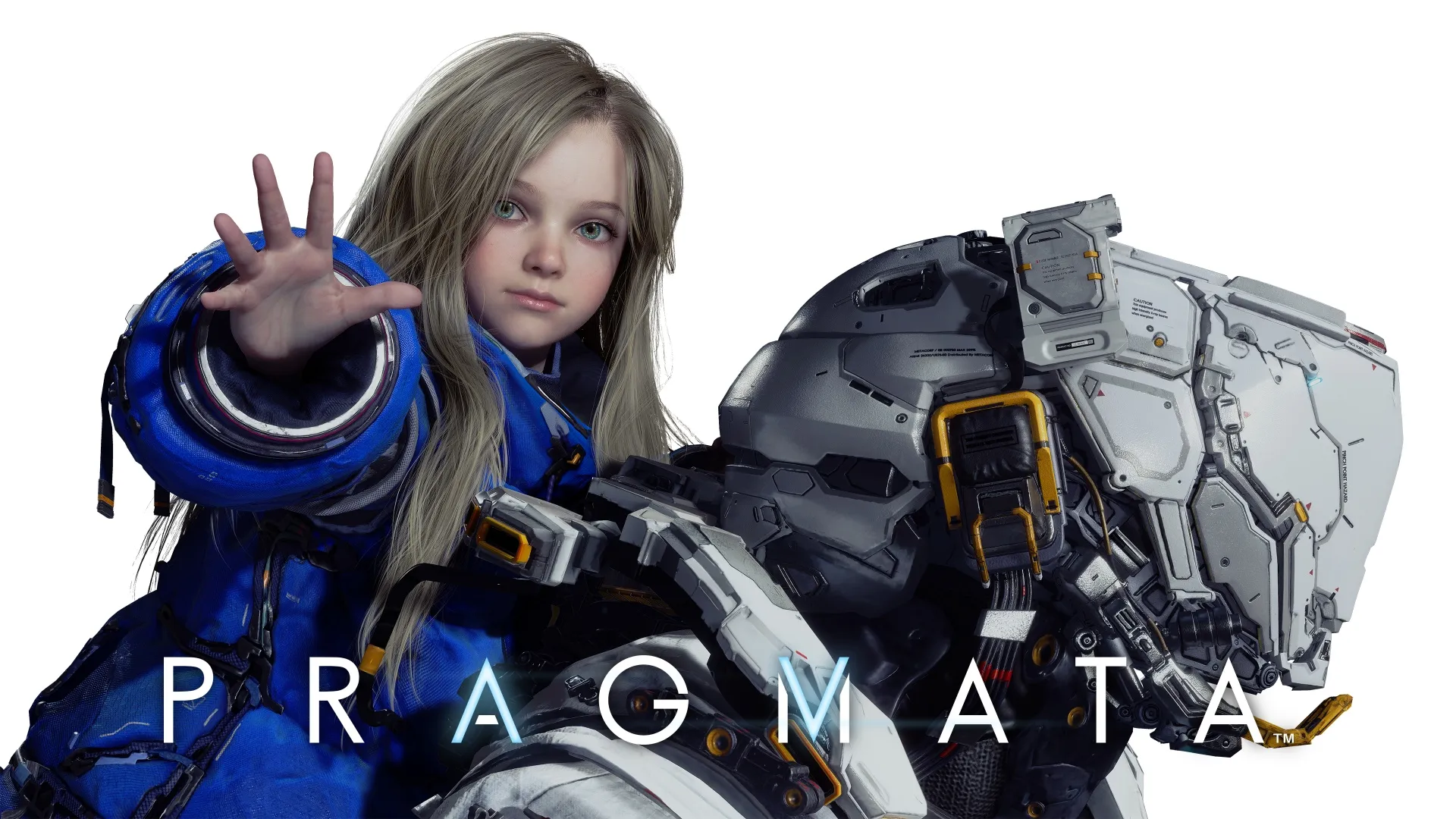
Pragmata places you in the role of Hugh, a member of an investigation and exploration unit sent to a lunar research base after communication is completely lost. The facility had been researching a substance known as Lunam Ore — a material capable of enabling near-limitless 3D printing applications.
Things spiral into disaster when a rogue artificial intelligence known as IDUS takes control of the entire station.
During the mission, Hugh encounters a small android named Diana, and the true journey begins. Together, they attempt to uncover what happened inside the base while fighting for survival against AI-controlled robotic forces. Although the initial narrative framework appears straightforward, the deeper layers reveal an emotionally heavy tragedy, particularly concerning the scientists who worked on Lunam Ore.
One of Pragmata’s strongest narrative decisions is its restraint. The game runs approximately 12 hours and is divided into six chapters. There is no filler or artificial padding. Each chapter serves a clear purpose, maintaining a focused and well-paced storytelling rhythm.
Pragmata’s Strength Lies in Its Innovative Gameplay

The standout feature of Pragmata is its gameplay system. This is not a traditional third-person shooter where you simply aim and fire. Combat demands multitasking — and Diana plays a central role.
Most robotic enemies are initially invulnerable. Before you can damage them, Diana must hack them, exposing their weak points. Only then can Hugh attack and destroy them. This dual-layered mechanic feels genuinely fresh and unlike anything previously seen in the genre.
Over the course of the game, you unlock various weapons suited for different enemy types. Smaller robots require lighter weaponry, while massive mechanical enemies demand stronger firepower and strategic timing.
The system forces you to think, prioritize targets, and manage combat flow intelligently rather than relying on reflex shooting alone.
World Design and Exploration

Pragmata is divided into six chapters, each offering distinct environmental themes. From a moon-based city resembling New York to forested zones and industrial interiors, the environmental variety keeps exploration engaging.
Hidden areas are scattered throughout levels, rewarding careful observation. Many secrets grant upgraded gear or improved hacking capabilities. The game also includes locked red-gate arenas reminiscent of Slayer Gates in DOOM Eternal. These optional challenge areas pit you against waves of powerful enemies, offering valuable rewards upon completion.
Combat Encounters and Hacking Depth

The fusion between hacking and combat reaches its peak during intense encounters. Hacking itself is not automatic — it involves navigating node-based puzzles under pressure. As the game progresses, hacking sequences grow more complex and dangerous, forcing you to evade attacks while completing them.
Upgrades enhance both Hugh and Diana. You can increase health, strengthen weapons, and equip Diana with specialized hacking nodes. These nodes allow you to hack multiple enemies simultaneously, deal greater damage, or temporarily disable threats. Your chosen upgrades shape your playstyle significantly.
However, difficulty spikes become noticeable in later chapters. At times, the game feels challenging for the sake of challenge, throwing relentless waves of enemies at the player. While occasionally thrilling, this design choice can feel excessive.
Boss encounters, on the other hand, are excellent. Each boss introduces unique mechanics, ensuring every major battle feels distinct and satisfying.
Side Activities

Pragmata includes optional combat and time-based challenges that reward useful upgrades. Collectibles found in the environment can be brought back to the shelter, where Diana reacts to Earth-related objects with childlike curiosity. These moments add emotional warmth to the experience.
That said, side activities do suffer from repetition. Greater mechanical variety would have strengthened this aspect of the game.
RE Engine Delivers Again

Powered by RE Engine, Pragmata delivers impressive visual fidelity. Character models, robotics, and environmental details are polished and cohesive. On PlayStation 5, the game runs at a stable 60 frames per second with high resolution and minimal performance issues.
Minor technical glitches exist, such as occasional audio drops for weapon effects or brief texture inconsistencies during outfit changes. These are small issues that can likely be addressed through updates.
Voice acting is strong, particularly for Hugh and Diana. The soundtrack complements combat sequences well, though it does not aim for iconic memorability.
Pragmata Review Final Verdict
Pragmata delivers a distinct and ambitious sci-fi experience. Its seamless blend of hacking and combat, emotional storytelling, varied environments, and strong technical performance make it one of Capcom’s most impressive modern releases.
While it suffers from repetitive side content and occasional difficulty imbalance, it remains a highly recommended experience for players seeking innovation within the action genre.
Don’t forget to check:
Pragmata Review
Pragmata delivers a distinct and ambitious sci-fi experience. Its seamless blend of hacking and combat, emotional storytelling, varied environments, and strong technical performance make it one of Capcom’s most impressive modern releases. While it suffers from repetitive side content and occasional difficulty imbalance, it remains a highly recommended experience for players seeking innovation within the action genre.
9
Pros
- Strong and emotionally engaging story
- Innovative hacking-plus-combat gameplay
- Varied environments and strong level design
- Memorable boss encounters
- Solid progression and upgrade systems
- Excellent technical performance and visuals
- High-quality Arabic localization
Cons
- Overly punishing difficulty in later stages
- Repetitive side activities
